E-waste and Batteries
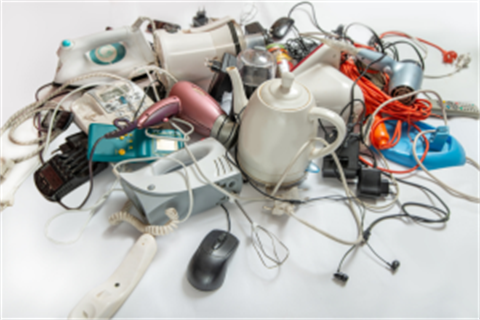
To protect our environment and recover more precious resources, the Victorian Government banned all e-waste (any item with a battery or cord) from going to landfill as of 1 July 2019.
That means that e-waste can’t go in any bin, the video below delves into the consequences of not properly disposing of e-waste and batteries.
Electrical drop off hubs
This service is provided by SCR Group. Currently, only one remaining location is available: Hansen Reserve, Robert Street.
The electrical drop-off hubs accept all small electrical items that have a cord, including kitchen appliances, personal care devices and mobile phones. Please note, items need to be under 50cm high and 60cm wide in order to fit in the tray and batteries must be removed before disposal. Large items such as televisions are not accepted.
Community Recycling Stations
Council provides convenient community recycling stations at our facilities.
Residents can drop off a range of items for free using the new community recycling stations including small electrical items (including vapes), CDs, DVDs, VHS tapes, cassettes, floppy discs, light globes (including fluorescent light globes), X-rays, pens, textas and old stationery items.
Community Recycling Stations are only accessible during opening hours for each site. Please contact your local facility to find out when they are open. Note that the stations are only designed to accept small electrical appliances such as electric toothbrushes. Larger electrical items must be taken to a transfer station.
Batteries
There are many places where you can drop off old household rechargeable and non-rechargeable batteries for free, so that they can be recycled safely.
Please refer to the B-cycle drop off point finder for your closest location.
Used batteries are potentially hazardous if stored in the wrong conditions, so if you are storing used batteries at home before recycling, remember to:
- Keep batteries out of reach of children. Button cells and small batteries can be swallowed, causing choking and chemical burns.
- Be cautious when changing batteries and check for damages or leaks. Some materials inside batteries are toxic and could result in poisoning.
- Keep batteries in a cool, dry place at room temperature and away from sunlight, heat and water. This may result in leakage of toxic materials.
- Place individual batteries in a container or jar to reduce fire risk. Tape over the terminals of any lithium-based batteries, such as button cells, phone, camera and laptop batteries, or batteries with both terminals on one side (for example 9V batteries).
Transfer Stations
Large e-waste items such as TV's, fridges and washing machines can be recycled at a transfer station.
E-waste can be recycled for free at Moonee Valley Transfer Station. (Fridges and Freezers incur a $25 charge)
Hard Rubbish
Council offers one free hard rubbish collection per eligible household each calendar year. (If you are in a multi-unit dwelling special rules apply, see below.) All you have to do is book a collection and make sure that you follow the collection rules.
Request a hard rubbish collection here