Energy efficiency in your home
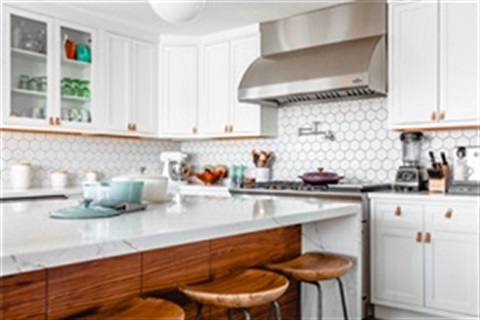
Energy plays a big role in Australian households, with a variety of energy sources being used for things like heating, cooling, cooking, and entertainment. Ongoing cost of living pressures and a rise in utility costs mean saving energy in our homes not only makes a positive impact on our environment, but also our wallets.
Electrifying your home can be a big step which can improve the energy efficiency of your home, save money on your energy bills and improve indoor air quality. This page will provide you with information on how to make your home more energy efficient, as well as electrification advice for homeowners, renters and apartment dwellers.
Efficient upgrades
While electrification may be your end goal, there are cost-effective and energy efficient upgrades you can make to make your home more comfortable. Check out Maribyrnong's guide to home electrification and energy efficiency(PDF, 354KB) for steps and tips on how to get started. There is also some further information below in case you are unsure on ways to check in on your home efficiency.
General efficiency upgrades
Draughtproofing your home can help stop outdoor temperatures getting into your home when trying to keep your home warm in the winter and cool in the summer. You can use a thermal imaging camera from one of Maribyrnong's home efficiency audit kits to identify sources of escaping air in your home. The best ways to cover draughts in your home are by using weatherproofing tape, door snakes, or even a rolled-up towel or blanket.
Note: if you still use gas appliances in your home, it is important to take care when draught proofing and ensure that adequate air flow is maintained through the house for safe usage of gas appliances. Visit Your Home to learn more about the impacts of gas on indoor air quality and your health, and how to protect yourself.
Insulating your home is one of the best ways to improve your home energy efficiency and comfort. Going from an uninsulated home to a well-insulated home could reduce your heating and cooling costs by 45% per year. Check your home insulation by going up into your roof space and checking how much and what type of insulation you have. You'll know if you need more insulation if the height of your existing ceiling insulation is less than 50mm thick. If you're not confident, you can engage a professional to do a home efficiency audit for you and check your insulation.
The Victorian Energy Upgrades (VEU) program is now offering discounts on ceiling insulation. Visit the VEU website for more information.
Kitchen upgrades
Check your fridge and freezer
- Maintenance of your appliances is important to ensure longevity and efficiency. Once every 6 months, check your fridge and freezer door seals for any cracks or loose sections and replace them accordingly. You should also make sure to clean the coils behind your fridge.
- If you notice any frost build-up in your fridge or freezer, it may be time to do a defrosting cycle. This involves removing and safely storing your food elsewhere, unplugging the fridge and letting the ice melt.
Electrification advice for renters
Electrification as a renter can be a challenging process if you don't know where to start. It is important that you understand your rights as a renter, what you can and can't do and what legal obligations your landlord is required to deliver.
Rental standards
Rental providers are required by law to ensure their property meets the mandatory minimum standards at the time it is advertised or before the property is offered to be leased to a renter.
These standards include:
- A fixed heater must be provided in the main living area that is in good working order. This heater is required to be energy efficient, and if it isn't the rental provider must upgrade it.
- Showers must have a 3-star water efficiency rated shower head, unless it is unable to be installed due to things such as a property's age.
- Window coverings must be provided for rooms used for living and sleeping.
The minimum standards are mandatory. Under the Residential Tenancies Act 1997, it is a criminal offence to let a new renter move into a rental property that does not meet minimum standards. Individuals can face maximum penalties of over $11,800, while companies face maximum fines of over $59,000.
To learn more about rental minimum standards, visit the Consumer Affairs website.
Making changes to your rental property
There are rules about the changes that renters can make to a property. Often, you will need to seek permission from your landlord.
The following energy efficient changes can be made without rental provider's permission:
- Non-permanent window film for insulation, reduced heat transfer or privacy
- Installing or changing curtains (the renter must not throw out the original curtains, but keep them stored)
Renters can also make the following changes without permission, as long as the property is not listed in the Victorian Heritage Register:
- LED lightbulbs which don't need new light fittings installed
- low flow shower heads (the renter must not throw out the original shower head, but keep them stored)
If you want to make any other changes, you need to ask your landlords permissions. However, there are changes that a landlord cannot refuse permission for unless they have a good reason. One of these energy-efficient changes includes:
- Draught-proofing in a property without open-flued gas heating, by using weather seals or caulking around windows, doors, skirtings and floorboards
To learn more about changes renters can make to a property, visit the Consumer Affairs Victoria website.
Wanting to take the next step and ask your landlord to electrify your home? Use this letter template developed by Ethnic Communities Council of Victoria as a starting point.
Check out this video from Rewiring Australia about how a Melbourne resident is electrifying his home as a renter:
Electrification advice for apartments
There are two steps to apartment electrification: individual and whole building electrification. Whilst individual apartment electrification may be easier, building electrification can be a more challenging process.
Tips for electrifying your apartment
Switching your apartment to all electric doesn't have to happen all at once. Follow these steps to get started:
1. Start by identifying where you use gas in your apartment
Common gas uses include:
- Cooking (gas cooktops)
- Heating (wall heaters, ducted systems)
2. Check your electrical capacity
Some electric appliances (like induction cooktops) may require electrical upgrades. Before you make any upgrades, make sure to:
- Speak to a licensed electrician to assess your switchboard and capacity
- Check with your owners corporation—your building may already be planning upgrades
3. Check for rebates and support
There are a number of available rebates for apartment-owners in Victoria, including the Victorian Energy Upgrades program. This can help reduce upfront costs when upgrading your gas appliances to electric.
4. Upgrade appliances that need replacing
The most cost-effective time to electrify is when existing gas appliances reach end-of-life.
Focus on:
- Heating: Replace gas heaters with reverse-cycle air conditioners (efficient and provide cooling too)
- Cooking: Upgrade to an induction cooktop (safer, faster, and more efficient)
Tips for electrifying your building
Electrification of your building works best as a planned transition, not a one-off project. It's best to start with the "lowest hanging fruit" or the easiest wins, and then working through the process logically. Preparing a transition plan with your building committee is a great option from both a cost and implementation perspective. Working together, you can work out a timeline that works for everyone, consider financial implications and engage the right experts to help you on your journey.
1. Audit your building systems
Work with your owners corporation or building manager to identify:
- Where gas is used (heating, hot water, cooking)
- Age and condition of equipment
- When systems will need replacing
2. Assess electrical capacity early
Electrification increases electricity demand, so it’s critical to:
- Review switchboards, substations, and site capacity
- Plan for future loads (e.g. EV charging, more electric appliances)
3. Develop a long-term electrification plan
A staged plan helps manage cost and disruption.
- Align upgrades with end-of-life replacements or major works
- Prioritise “low hanging fruit” upgrades first
4. Engage residents and plan funding
- Communicate benefits (lower bills, improved comfort, sustainability)
- Explore funding options:
- Maintenance funds
- Special levies
- Loans or user-pays systems
5. Replace gas systems with electric alternatives
Common upgrades include:
- Heating: Air-source heat pumps or VRF systems
- Hot water: Central heat pump systems
- Cooking (common areas): Electric or induction appliances
6. Plan for electric vehicles
EV charging is a growing need for residents. It's important to plan ahead for:
- Charger locations and capacity
- Load management systems
- User-pays models for electricity use, if required
7. Switch off gas when ready